2025 Mayors Challenge Winning Cities


24 city halls from 20 countries will receive $1 million as well as operational support and additional funding for dedicated staff to scale tested innovations to improve essential services 

From South Bend to Surabaya, Boise to Barcelona, Cape Town to Cartagena, the 24 winners represent 20 countries and over 35 million residents. Selected from more than 630 applications, Bloomberg Philanthropies considered prototypes developed by 50 cities during the finalist phase, when each pressure-tested core hypotheses with residents. The 24 winning ideas were ultimately chosen for their novelty, potential impact, and strength of implementation plans.


Loading map data...


Jordan

As-Salt

Economic Development Training unemployed youth in specialized restoration and heritage techniques to create jobs, boost tourism, and preserve the city's historic architecture.
Spain

Barcelona

Housing and Infrastructure Making aging home retrofits more affordable and accessible citywide by providing city-backed financing and removing technical and regulatory barriers—reducing timelines for approval by 40%.
Mozambique

Beira

Climate Resilience Relocating hundreds of families of fishermen in high risk, flood-prone coastal areas to insulated, inland neighborhoods—co-designing new infrastructure with impacted residents while preserving livelihoods.
Ireland

Belfast

Public Spaces Transforming 126 miles of neglected alleyways into safer, greener, community-owned spaces for tens of thousands of residents.

Nigeria

Benin City

Public Health Expanding women’s access to vital health care through neighborhood kiosks, community outreach, and digital referrals.
United States

Boise

Energy and Utility Using municipally owned geothermal energy to lower costs and deliver sustainable heating and cooling for multifamily housing—the first effort of its kind led by a U.S. city.
Hungary

Budapest

Food Systems Turning surplus food into healthy meals for students and seniors through a city-run processing facility, cutting waste and costs while supporting local producers.
South Africa

Cape Town

Housing and Infrastructure Co-creating waste collection systems with informal-settlement residents to reduce illegal dumping, create jobs, and extend reliable service.

Colombia

Cartagena

Economic Development Boosting incomes and livelihoods for street-vendors—preserving traditional entrepreneurship in a heritage area—with training and modern carts that enable digital payments and waste management.
Morocco

Fez

Solid Waste Management Formalizing the work of informal waste picker jobs with stable incomes, upskilling, and better working conditions—improving these residents’ quality of life and recycling and waste management citywide.
Japan

Fukuoka

Aging Populations Improving quality of life for thousands of residents living with dementia through specialist support, coordinated citywide care, and public spaces and businesses designed to support independence.
India

Ghaziabad

Climate Resilience Converting cow dung into white rooftop paint that cools homes, lowers emissions, and creates new job opportunities for under-employed women.

Belgium

Ghent

Social Services Proactively connecting residents to social benefits and services, reducing stress for vulnerable families during critical life events.
Gambia

Kanifing

Solid Waste Management Forming a new youth-led waste collection program that uses small vehicles to reach up to 60% of hard-to-access homes—creating jobs and keeping historically underserved areas clean.
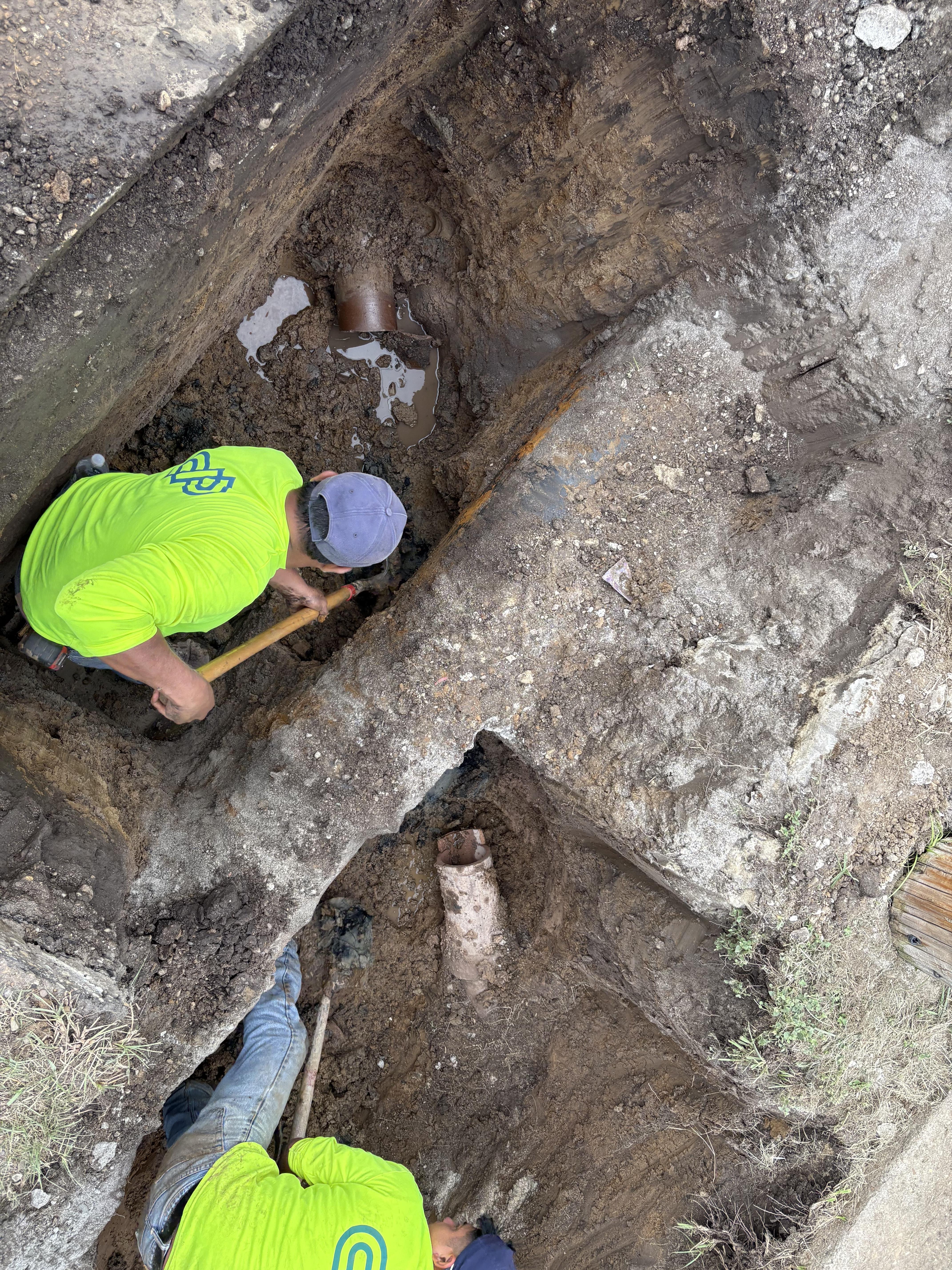
Two workers in bright yellow shirts are excavating a trench filled with dirt and mud. Visible within the trench are sections of exposed pipes partially submerged in water. The workers use tools, including shovels, to clear the area and inspect the underground infrastructure. The trench edges show layers of soil, highlighting the ongoing repair or construction activity. United States

Lafayette

Housing and Infrastructure Repairing broken sewer lines at half the cost of new construction—and at no cost to owners—through a new public-private partnership that will develop up to 13,000 new housing units.
Colombia

Medellín

Food Systems Using AI to make food distribution faster and more efficient to advance the city’s Zero Hunger goal.

Israel

Netanya

Early Childhood Creating mobile play stations in public spaces and parks to bring early childhood support to in-need families.
Philippines

Pasig

Public Spaces Co-designing with residents floating parks in flood-prone waterways to reduce overflow, add green space, and strengthen community ties.
Brazil

Rio de Janeiro

Social Services Pairing AI and municipal outreach to proactively connect in-need residents with early childhood supports such as health care, vaccinations, school enrollment and attendance services, and social benefits.
United States

South Bend

Social Services Applying AI to the city’s 311 system to anticipate problems and proactively connect residents with the services they need.

Indonesia

Surabaya

Solid Waste Management Incentivizing the use of locally made reusable diapers to lower river pollution and improve health outcomes.
Canada

Toronto

Food Systems Reducing youth hunger by partnering with local producers to provide healthy, culturally relevant meals to every public student daily.
Finland

Turku

Food Systems and Social Services Using food aid as an entry point to connect residents—especially immigrants and low-income families—with housing, employment, and financial services.
India

Visakhapatnam

Climate Resilience Pioneering solutions with residents to mitigate hazards from floods, cyclones, and heatwaves, and safeguard communities.